
Taking care of your back since 1998
Chiropractic Massage Dublin
Chiropractic massage in Dublin combines hands-on soft-tissue techniques with an assessment-led chiropractic approach. It may be considered for muscular tension, restricted movement, or musculoskeletal discomfort where appropriate.
At Chiropractic First Dublin, we review your symptoms, movement, and relevant health history before recommending whether massage, chiropractic care, or a combination of both may suit your needs.
What is Chiropractic Massage?
Chiropractic massage combines targeted massage techniques with an assessment-led chiropractic approach. Where appropriate, this may include a chiropractic adjustment to address restricted movement and associated muscle tension.
Muscle tension, restricted movement, and daily activity can all contribute to discomfort and altered movement patterns. An assessment helps identify the areas involved and whether massage, movement advice, or other chiropractic care may be appropriate.
In practice, a session may begin with massage therapy to warm up and relax the muscles, making the body more responsive to chiropractic adjustments. Once alignment is corrected, further massage techniques are used to reduce residual tension and support the healing process.
The difference between a standard massage and a chiropractic massage lies in its focus on spinal health and postural correction. Traditional massage is excellent for relaxation, but it may not prevent pain from returning if underlying spinal misalignments remain. Massage-based chiropractic care combines relaxation techniques with corrective care, resulting in more lasting outcomes.
CHIROPRACTIC FIRST DUBLIN REVIEWS
We also have reviews on other platforms such as Whatclinic, Trustpilot, Yelp and Facebook!
If you want to leave us a Google Review, click on this link:
OUR TEAM
Our team brings together chiropractors and massage therapy professionals with different backgrounds, techniques and areas of experience. We take an individual approach to care, with each practitioner bringing their own skills and perspective to support the needs of our patients.
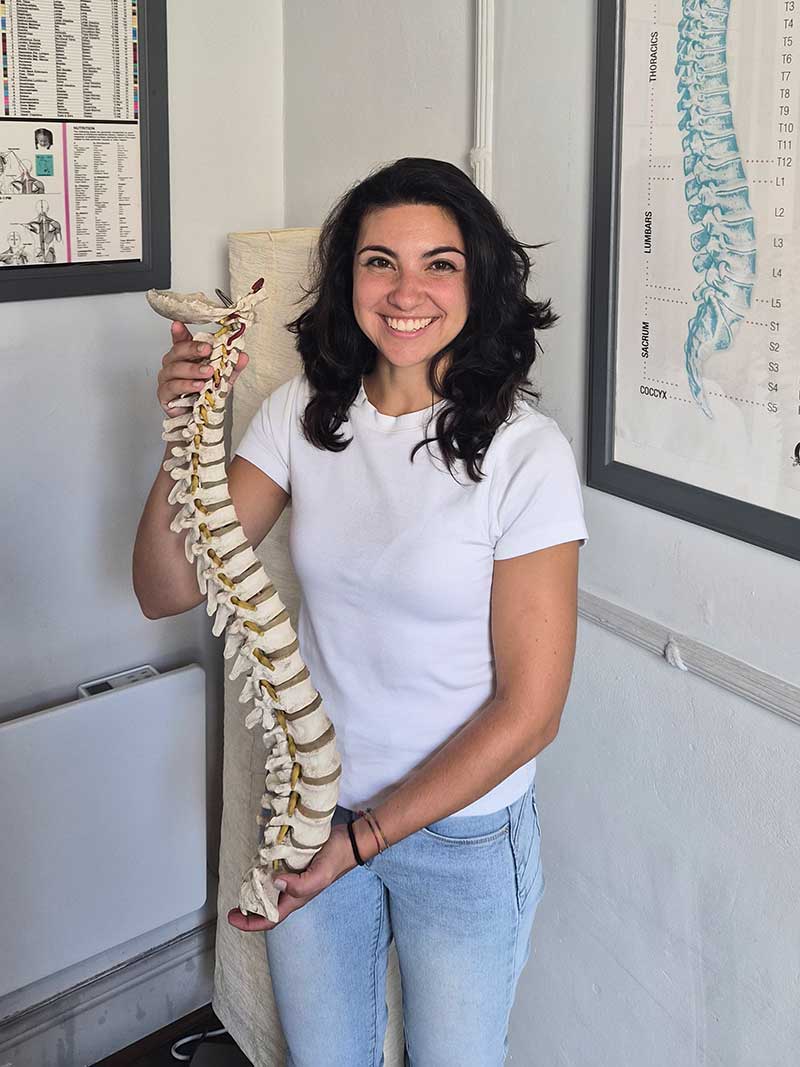
LAURA CASSOLA
Chiropractor
@Chiropractic First Dublin
View Laura's Full Profile here
MARINA AURICCHIO
Chiropractor
@Chiropractic First Dublin
Marina takes a gentle, patient-focused approach to care. She uses a range of techniques, including low-force and manual chiropractic adjustments, pelvic blocking, soft tissue therapy and muscle release techniques. She is also certified to treat paediatric patients and patients during pregnancy.
View Marina’s Profile here

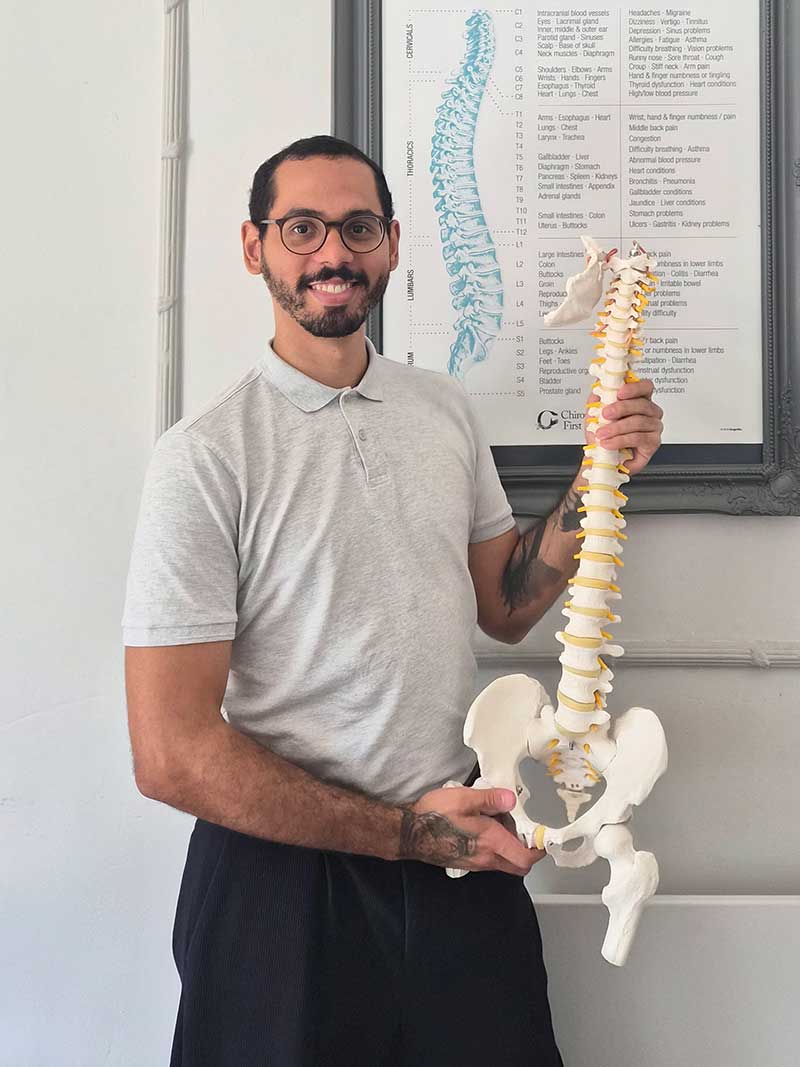
JOÃO VITOR DO AMARAL
Chiropractor
@Chiropractic First Dublin
João combines chiropractic care with muscle release techniques and works with methods including SOT, Activator Methods and Kinesio Taping. His approach can also include stretches and exercises alongside chiropractic care.
View João’s Full Profile here
SLAVA
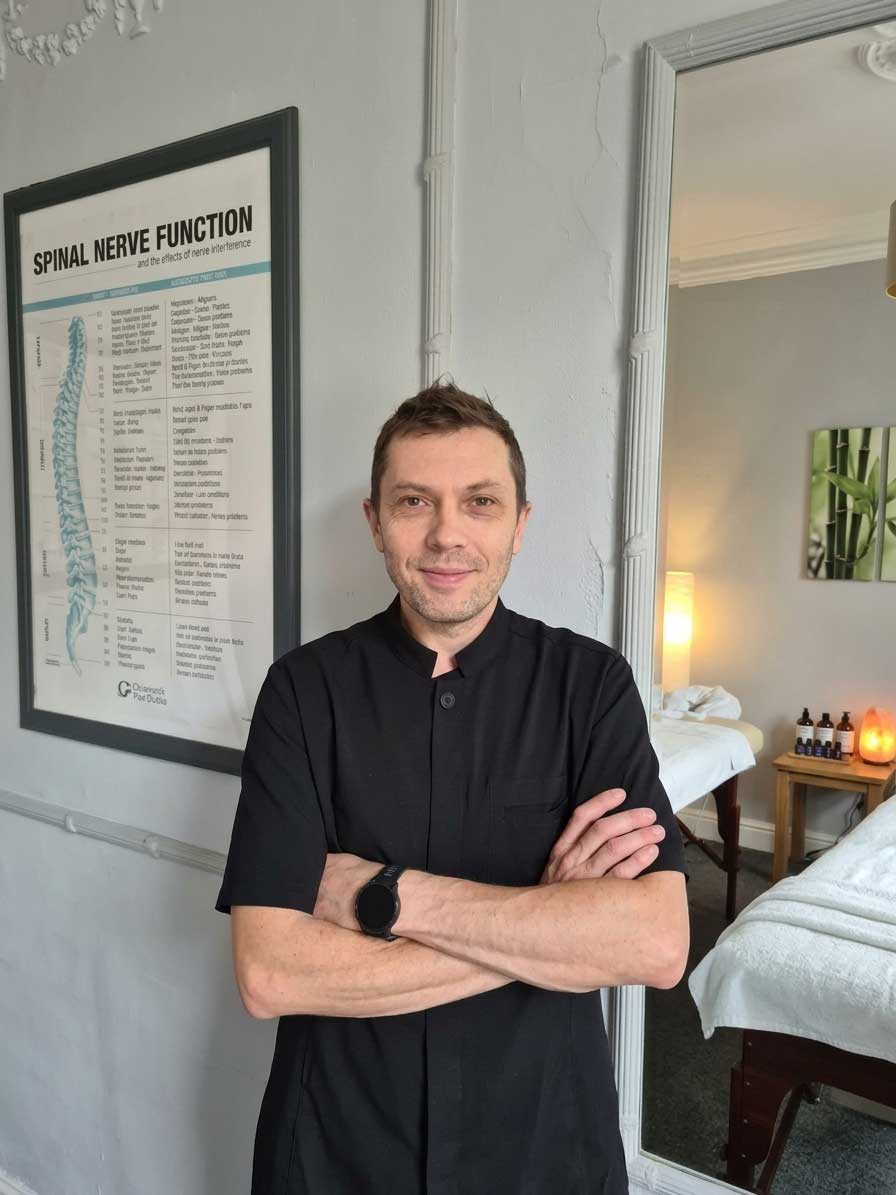
Massage Therapist
@Chiropractic First Dublin
Slava’s approach focuses on movement and well-being. He places importance on listening to patients and helping them support their well-being through massage therapy and movement-focused care.
View Slava’s Profile here
How Chiropractic Massage May Be Used
Chiropractor Deep Tissue Massage
For ongoing muscular tightness, deeper soft-tissue techniques may be considered where appropriate. Pressure and technique are adapted to your symptoms and comfort, while the wider assessment considers how different areas of the body may be contributing. A full-body adjustment chiropractor assessment may be recommended when symptoms involve more than one region.
Trigger Point Therapy and Myofascial Release
Trigger points, painful areas of muscle tension, often develop in response to spinal misalignments. Chiropractors trained in trigger point therapy release these tension points while also correcting the spinal issues that caused them. Myofascial release further restores tissue mobility by addressing restrictions in the connective tissues that surround muscles.
Specialised Approaches
- Massage for scoliosis helps balance muscles around abnormal spinal curves.
- During pregnancy, massage should be adapted to the individual’s stage of pregnancy, symptoms, and health history. Where suitable, a pregnancy chiropractor can advise whether a combined care plan is appropriate.
- Sports massage may be used to support recovery from training-related muscle tightness and may form part of a wider plan with a sports chiropractor when appropriate.
- Chiropractic massage may also be included within a wider care plan when assessment identifies muscular tension around a specific area, such as the shoulder, hip, or lower limb.
When Chiropractic Massage May Be Suitable
Back Pain
Massage for back pain in Dublin may be suitable where muscular tension, restricted movement, or prolonged sitting is contributing to discomfort. Following assessment, massage may be used alongside back adjustments to support more comfortable movement and reduce tension in the surrounding muscles.
Neck Pain
For desk workers and those dealing with “tech neck,” strain on the cervical spine is a daily struggle. For neck stiffness related to muscle tension or prolonged desk work, massage may be used alongside a neck adjustment when clinically appropriate. The aim is to support comfortable movement and reduce muscular tightness.
Sciatica
Sciatica results from pressure on the sciatic nerve, often due to a herniated disc or tight piriformis muscle. Symptoms described as sciatica can have different causes and should be assessed individually. A sciatica chiropractor can determine whether massage may be appropriate as part of care for associated muscular tension and movement restriction.
Scoliosis
Patients with scoliosis often deal with uneven muscle tension from spinal curvature. While chiropractic adjustments encourage better alignment, therapeutic massage techniques help balance the overactive and underused muscles around the curve. This combination improves comfort and flexibility, especially for those managing scoliosis long-term.
Tension Headaches
Some headache symptoms may be associated with tension in the neck and upper back. A chiropractic treatment assessment can help determine whether muscular factors are contributing and whether massage may be suitable.
Office-Related Posture Problems
Prolonged sitting and poor ergonomics commonly lead to rounded shoulders, tight hips, and spinal strain. A chiropractor for posture can assess movement habits, workstation factors, and areas of muscular tension. Massage may be used alongside practical posture and movement guidance where appropriate. Combined with ergonomic guidance, this helps patients stay comfortable at work and beyond.
Stress-Related Tension
Stress often builds up in the shoulders, jaw, and lower back, creating physical pain that adds to emotional strain. Stress can contribute to muscle tension in the shoulders, jaw, and lower back. Massage may help some people feel more comfortable and relaxed, while persistent or localised symptoms should be assessed individually.
Rehabilitation After Injury
Healing after an injury requires more than rest. Chiropractic care paired with massage therapy restores proper alignment, eases muscle compensation patterns, and improves mobility around the injured area. This approach helps patients return safely to full activity while lowering the risk of reinjury.
Chiropractic Massage: Benefits and Outcomes
Potential Benefits of Chiropractic Massage
Chiropractic massage may be used as part of an individualised care plan for muscular tension, movement restriction, and musculoskeletal discomfort.
Reduced Muscle Tension
Hands-on soft-tissue techniques may help reduce the feeling of tightness in areas such as the neck, shoulders, back, hips, and legs.
Support for Comfortable Movement
Where restricted movement is linked with muscular tension, massage may support mobility and make everyday movement feel more comfortable.
Complementary Care
Massage may be used before or after chiropractic care where appropriate, particularly when soft-tissue tension is contributing to movement restriction or discomfort.
Relaxation and Body Awareness
Massage may help some people feel more relaxed and more aware of where they are holding tension. This can support practical changes to movement habits, posture, and daily routines.
The potential benefits of chiropractic massage depend on the cause of symptoms, the individual’s health history, and the findings of a proper assessment.
FREQUENTLY ASKED QUESTIONS
What is chiropractic massage?
Chiropractic massage combines hands-on soft-tissue techniques with an assessment-led chiropractic approach. It may be used to address muscular tension, restricted movement, and related musculoskeletal discomfort.
Can chiropractic massage help with back pain?
Massage may help address muscular tension that contributes to back discomfort. Following assessment, your chiropractor can determine whether massage, back adjustments, or another approach may be appropriate.
Is chiropractic massage different from relaxation massage?
Relaxation massage usually focuses on comfort and stress relief, while chiropractic massage is typically guided by a musculoskeletal assessment and may be used alongside other care to address movement restriction or muscle tension.
Do chiropractors provide massage therapy?
Massage may be included within a chiropractic-led care plan when delivered by an appropriately trained practitioner. The recommended approach depends on your assessment findings and individual needs.
Can massage help with stress-related muscle tension?
Stress can contribute to muscle tension in areas such as the neck, shoulders, jaw, and lower back. Massage may help some people feel more relaxed and comfortable, although persistent symptoms should be assessed individually.
Book a Chiropractic Massage in Dublin
Muscle tension, stiffness, and back discomfort can have several contributing factors. At Chiropractic First Dublin, we begin with an assessment to understand your symptoms, movement, and relevant health history before recommending whether chiropractic massage may be appropriate.
Book an appointment to discuss your options with our team.
SEND A MESSAGE
Do you have a question about our services? Fill in this form and we’ll get back to you as fast as possible.
Alternatively, use our online chat or whatsapp.