
Taking care of your back since 1998
Manual Therapy Dublin
Joint stiffness, persistent muscle tension, and restricted movement can make work, exercise, and everyday activities more difficult. Manual therapy is a hands-on approach that may be used after assessment to support joint movement, ease muscular tension, and improve comfort.
At Chiropractic First Dublin, manual therapy begins with an assessment of your symptoms, movement, and relevant health history. Your chiropractor can then explain which hands-on techniques, if any, may be appropriate for your needs.
What Is Manual Therapy?
Manual therapy is a clinical, hands-on approach used to assess and address dysfunction in joints, muscles, and surrounding soft tissues. Rather than relying solely on passive treatments or equipment, the practitioner uses their hands to apply specific, controlled techniques to affected areas of the body.
In musculoskeletal care, manual therapy techniques may be used to support joint mobility, reduce muscular tension, and improve how comfortably you move. The aim is to identify contributing factors such as restricted movement, soft-tissue tension, or repeated strain, then recommend care based on the individual assessment.
Manual therapy can include soft-tissue techniques and controlled joint mobilisation. The techniques used depend on your symptoms, movement, comfort and assessment findings, so treatment can vary from one person to another.
CHIROPRACTIC FIRST DUBLIN REVIEWS
We also have reviews on other platforms such as Whatclinic, Trustpilot, Yelp and Facebook!
If you want to leave us a Google Review, click on this link:
Manual Therapy Techniques Used in Chiropractic Care
Chiropractors may use hands-on techniques alongside a chiropractic adjustment where assessment shows that both approaches may be appropriate for your symptoms, movement restrictions, and treatment goals. Depending on the patient’s assessment findings, this may include:
Joint mobilisation: Controlled, low-force movements applied to a joint where assessment identifies restricted movement or stiffness. The aim is to support mobility and more comfortable movement. The technique may be considered where assessment identifies stiffness or restricted joint movement.
Soft tissue techniques: These hands-on methods target muscles and surrounding soft tissues. Similar soft-tissue approaches are also used within massage therapy, depending on the person’s needs and treatment goals.
Trigger point release: Manual trigger point therapy addresses localised areas of muscle hyperirritability commonly referred to as “knots” that can cause localised pain or referred discomfort to other areas of the body. Sustained pressure may be applied to the area where assessment identifies localised muscular sensitivity or tension. The response to treatment can vary between individuals.
Muscle energy techniques: These involve the patient gently contracting a specific muscle against resistance provided by the practitioner. The technique is used to improve joint mobility and address muscular imbalances that restrict movement.
In some cases, chiropractors may incorporate chiropractic massage into treatment sessions where muscular tension or soft-tissue restriction is contributing to discomfort.
These techniques may be used individually or together to address joint stiffness, muscular tension and restricted movement. They can also form part of a wider care plan that includes exercise and movement advice.
OUR TEAM
Our team brings together chiropractors and massage therapy professionals with different backgrounds, techniques and areas of experience. We take an individual approach to care, with each practitioner bringing their own skills and perspective to support the needs of our patients.
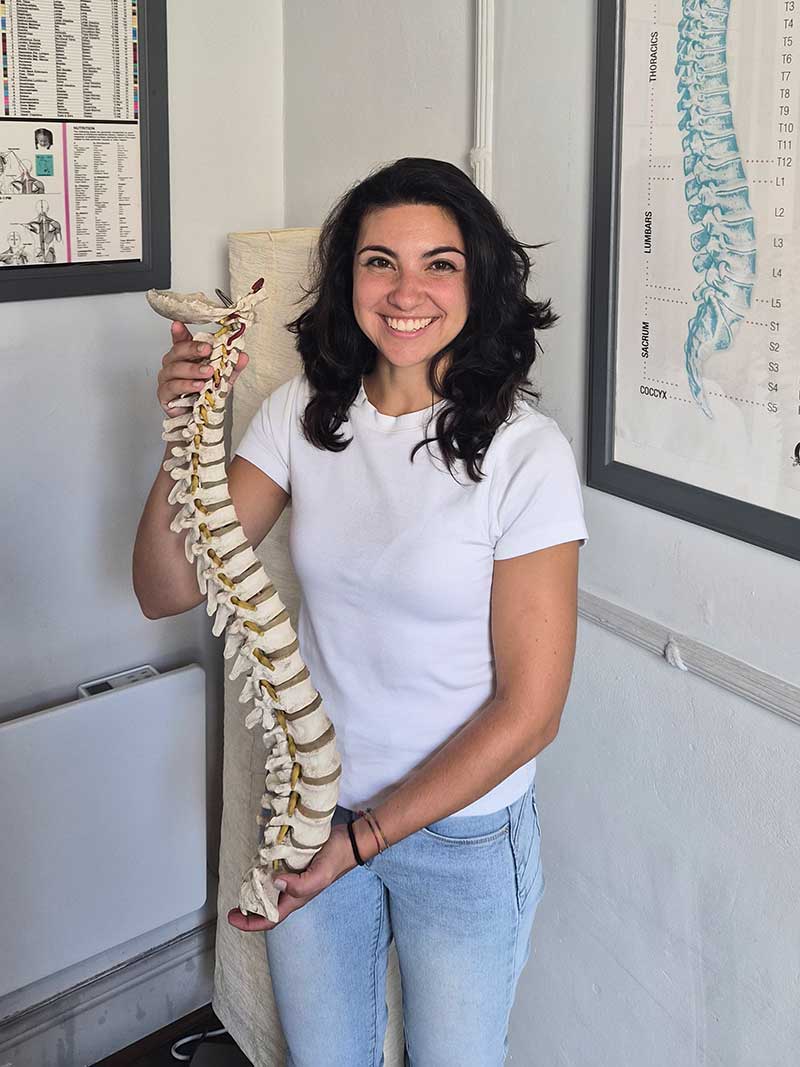
LAURA CASSOLA
Chiropractor
@Chiropractic First Dublin
View Laura's Full Profile here
MARINA AURICCHIO
Chiropractor
@Chiropractic First Dublin
Marina takes a gentle, patient-focused approach to care. She uses a range of techniques, including low-force and manual chiropractic adjustments, pelvic blocking, soft tissue therapy and muscle release techniques. She is also certified to treat paediatric patients and patients during pregnancy.
View Marina’s Profile here

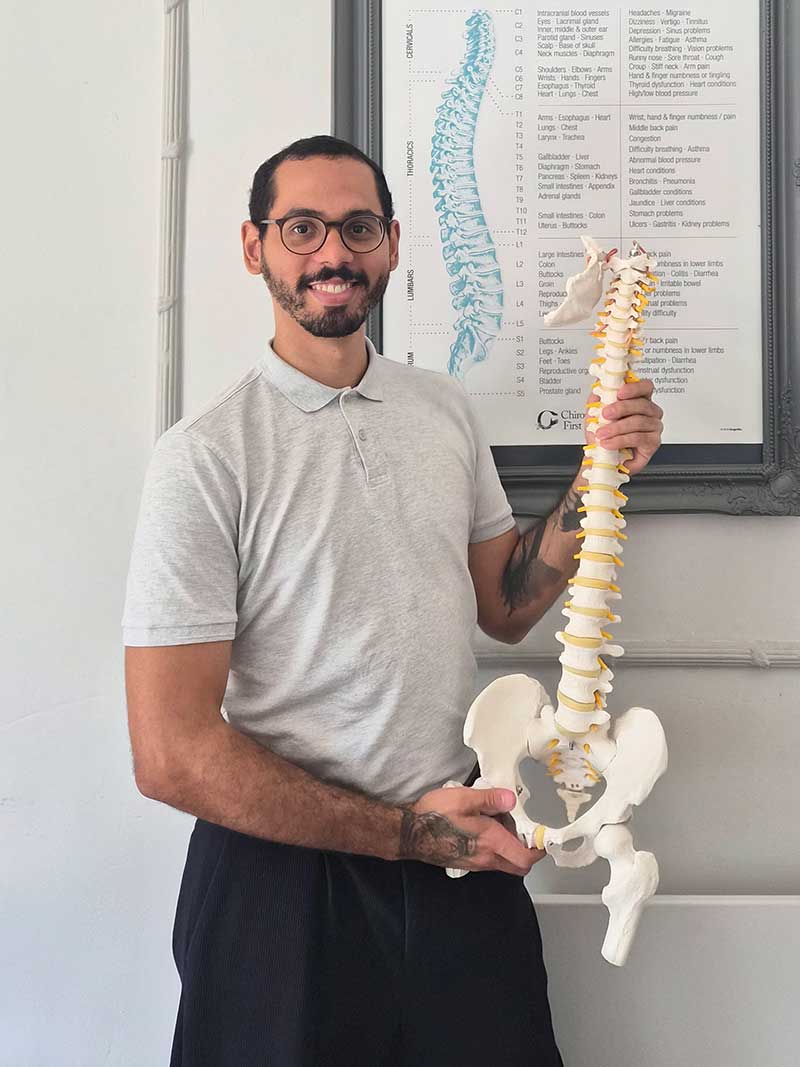
JOÃO VITOR DO AMARAL
Chiropractor
@Chiropractic First Dublin
João combines chiropractic care with muscle release techniques and works with methods including SOT, Activator Methods and Kinesio Taping. His approach can also include stretches and exercises alongside chiropractic care.
View João’s Full Profile here
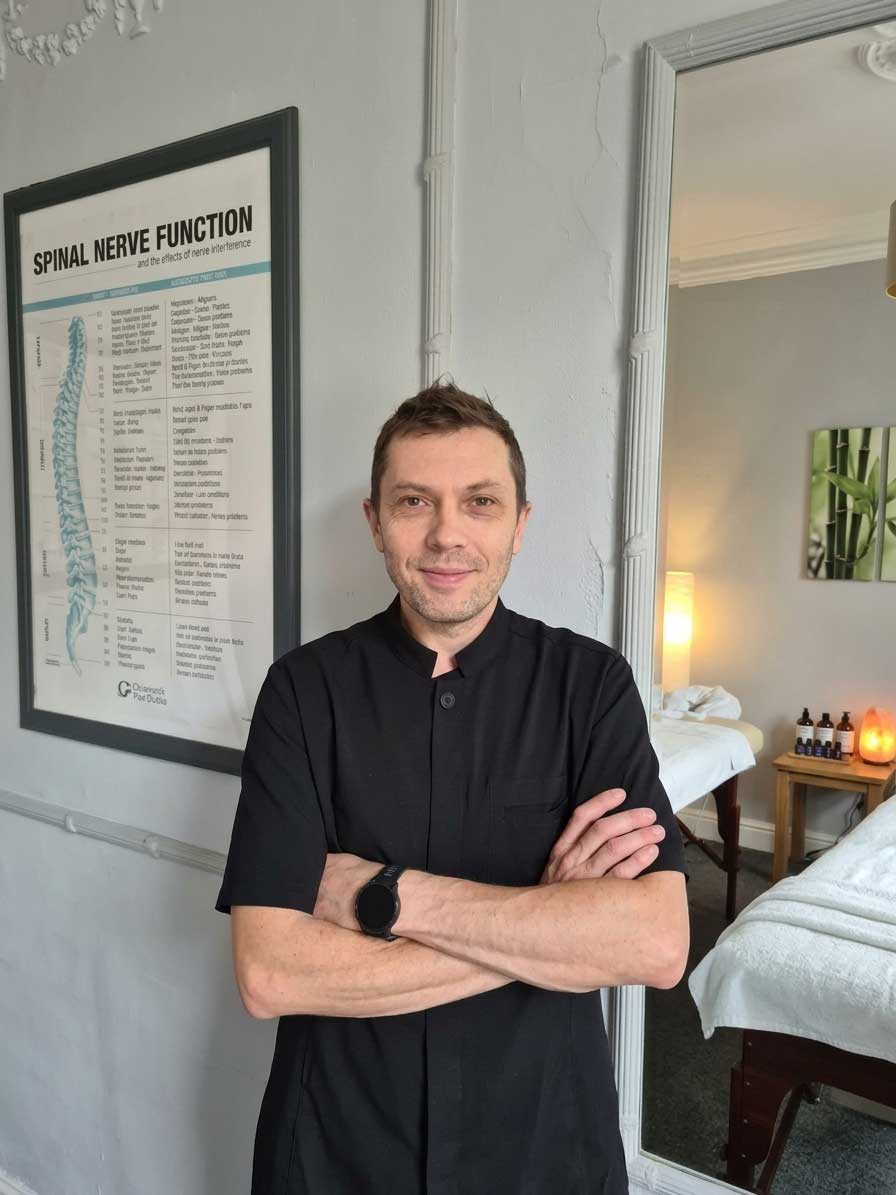
SLAVA
Massage Therapist
@Chiropractic First Dublin
Slava’s approach focuses on movement and well-being. He places importance on listening to patients and helping them support their well-being through massage therapy and movement-focused care.
View Slava’s Profile here
COMMON REASONS PEOPLE MAY CONSIDER MANUAL THERAPY
Hands-on treatment may be appropriate for a broad range of musculoskeletal conditions. The following are among the conditions most commonly assessed and managed at Chiropractic First Dublin.
Back Pain and Spinal Stiffness
Back pain, whether in the lower, mid, or upper spine, is one of the most common reasons people seek care. Where assessment identifies restricted spinal movement or muscular tension, back adjustments may be considered alongside manual therapy to support more comfortable movement. Back discomfort may sometimes be accompanied by muscular tension or restricted movement. Where these factors are identified during assessment, joint mobilisation or soft-tissue techniques may be considered to support more comfortable movement.
Neck Pain and Restricted Movement
Neck discomfort can have different causes and may sometimes occur alongside muscular tension or restricted movement. Patients often report stiffness when turning the head, localised discomfort, or pain that radiates into the shoulder or arm. Manual muscle release and cervical joint mobilisation techniques are commonly used to address restricted segments and reduce associated muscular tension.
Shoulder Pain and Restricted Movement
The shoulder is a complex joint with a wide range of motion, making it vulnerable to both acute injury and gradual mechanical dysfunction. Reduced shoulder mobility, rotator cuff irritation, and postural strain may be assessed through targeted soft-tissue techniques and controlled joint mobilisation as part of an individual rehabilitation plan.
Muscle Tension and Soft Tissue Restrictions
Persistent muscular tension, whether from prolonged desk work, physical exertion, or postural strain, can lead to soft-tissue restrictions that limit movement and cause discomfort. Where muscular tension is contributing to discomfort or restricted movement, soft-tissue techniques or trigger point work may be considered as part of treatment.
What Happens Before Manual Therapy?
Before hands-on treatment begins, your chiropractor will assess your symptoms, relevant health history, and movement. This helps determine whether manual therapy is appropriate and which techniques may suit your needs.
The assessment typically includes:
Health history: A detailed discussion of the patient’s current complaint, previous injuries, medical history, and any relevant lifestyle factors.
Movement testing: Active and passive range-of-motion tests to identify where restriction, pain, or movement adaptation is present.
Joint and muscle evaluation: Hands-on assessment of joint mobility, muscle tone, and areas of localised tenderness or dysfunction.
Identifying contributing factors: Your chiropractor will also consider factors that may be contributing to your symptoms, such as movement restrictions, muscular tension, previous injury, or everyday activity.
This assessment-led approach helps identify the factors that may be contributing to a patient’s symptoms, so treatment recommendations are based on more than the immediate area of discomfort.
What to Expect During a Manual Therapy Session
Patients often want to understand what a session involves before attending for the first time. At Chiropractic First Dublin, hands-on treatment is delivered in a professional clinical setting by experienced practitioners.
During a session, the chiropractor will apply specific, controlled manual techniques based on the findings from the initial assessment. This may involve gentle joint mobilisation, sustained pressure on areas of soft-tissue restriction, or targeted muscular release work. The type and pressure of treatment are adjusted according to your symptoms, assessment findings, and comfort.
Patients are encouraged to communicate throughout the session, particularly about comfort levels or any changes in their symptoms. Session length can vary depending on the type of appointment, your assessment findings, and the care recommended for your individual needs.
Some people may experience mild temporary soreness after hands-on treatment. Your chiropractor will explain what to expect, and you should let them know about any concerns or changes in symptoms. Any concerns can be discussed with the treating chiropractor.
How Manual Therapy Fits Into a Personalised Care Plan
Some people notice changes in comfort or movement after a session, while others may need further care depending on their symptoms, history, and response to treatment. Where follow-up is recommended, your chiropractor will explain the reason and review progress regularly. Depending on your assessment, manual therapy may also form part of a wider chiropractic treatment plan.
The number of sessions recommended will vary depending on the nature of the condition, how long symptoms have been present, and the patient’s response to treatment. The chiropractor will outline a clear, individualised care plan from the outset and review it as treatment progresses.
Alongside targeted hands-on treatment, care plans at Chiropractic First Dublin typically incorporate:
- rehabilitation exercises to restore strength and movement control
- postural and ergonomic advice to address contributing factors in daily life
- ongoing monitoring to track progress and adjust treatment as needed
This integrated approach aims to support progress in movement, comfort, and daily function while addressing relevant contributing factors.
Why Choose Chiropractic First Dublin for Manual Therapy
Chiropractic First Dublin has been providing professional musculoskeletal care to patients in Dublin since 1998. Our experienced chiropractors take an evidence-informed approach to treatment, combining clinical assessment with hands-on techniques suited to each patient’s individual needs.
Every patient receives a personalised care plan developed from a thorough initial assessment. Treatment is guided by clinical findings rather than a one-size-fits-all protocol, and patients are kept informed and involved at every stage of their care.
Patients are encouraged to ask questions throughout care and to make informed decisions with a clear understanding of the recommended approach, expected next steps, and available options.
FREQUENTLY ASKED QUESTIONS
What is manual therapy?
Manual therapy is a hands-on treatment approach used to assess and address joint stiffness, muscular tension, soft-tissue restriction, and reduced movement. It may include joint mobilisation, soft-tissue techniques, trigger point work, or guided muscle techniques.
What does a manual therapist do?
A manual therapist assesses your symptoms, movement, joint mobility, muscular tension, and relevant health history. They may use controlled hands-on techniques where appropriate to support mobility, comfort, and movement.
WHAT MANUAL THERAPY TECHNIQUES MAY A CHIROPRACTOR USE?
Manual therapies used in chiropractic care may include joint mobilisation, soft-tissue techniques, trigger point release, muscle energy techniques, and chiropractic massage. The techniques used depend on your assessment findings and individual needs.
Is manual therapy safe?
Manual therapy may be appropriate when it is carried out by a qualified practitioner after a full assessment. Your chiropractor will review your symptoms, health history, and any relevant risks before recommending hands-on treatment.
How many manual therapy sessions might I need?
The number of sessions depends on your symptoms, how long they have been present, your movement restrictions, and how you respond to care. Your chiropractor will explain any recommended follow-up after your initial assessment.
Book a Manual Therapy Appointment in Dublin
If joint stiffness, muscular tension, or restricted movement is affecting your work, exercise, or everyday routine, Chiropractic First Dublin can assess whether manual therapy may be appropriate for you.
Your appointment begins with a detailed assessment of your symptoms, movement, and relevant history. We will then explain the care options that may suit your individual needs.
SEND A MESSAGE
Do you have a question about our services? Fill in this form and we’ll get back to you as fast as possible.
Alternatively, use our online chat or whatsapp.