
Taking care of your back since 1998
FROZEN SHOULDER CHIROPRACTIC CARE DUBLIN
Frozen shoulder can change simple daily tasks into painful challenges. Reaching for a cup on a high shelf, putting on a jacket, or even sleeping comfortably becomes a struggle when your shoulder joint stiffens and movement becomes restricted.
At Chiropractic First Dublin, our chiropractor offers personalised care for frozen shoulder that can be the turning point in your recovery. Through targeted treatment, we help you move more freely, relieve discomfort, and return to the activities you enjoy.
How Can Chiropractic Help with Frozen Shoulder?
Frozen shoulder, or adhesive capsulitis, is a painful condition that gradually limits how much you can move your shoulder. It typically develops in three stages. During the freezing stage, pain increases, and movement becomes harder. In the frozen stage, pain may lessen, but stiffness dominates. Finally, in the thawing stage, mobility slowly begins to return.
Your shoulder is designed to be one of the most flexible joints in the body, thanks to the soft capsule of tissue that surrounds it. With frozen shoulder, this capsule thickens and tightens, locking the joint down and making simple movements difficult or even painful. Frozen shoulder may also be linked to stiffness in the neck, upper back, and surrounding shoulder muscles, making supportive care like a neck adjustment beneficial in some cases.
Certain factors can increase the chance of developing frozen shoulder. Conditions such as diabetes, thyroid issues, or heart disease can raise the risk, as can periods of immobility after injury, surgery, or illness. The earlier frozen shoulder is recognised and treated, the smoother the recovery process often is.
CHIROPRACTIC FIRST DUBLIN REVIEWS
We also have reviews on other platforms such as Whatclinic, Trustpilot, Yelp and Facebook!
If you want to leave us a Google Review, click on this link:
OUR TEAM
Our team brings together chiropractors and massage therapy professionals with different backgrounds, techniques and areas of experience. We take an individual approach to care, with each practitioner bringing their own skills and perspective to support the needs of our patients.
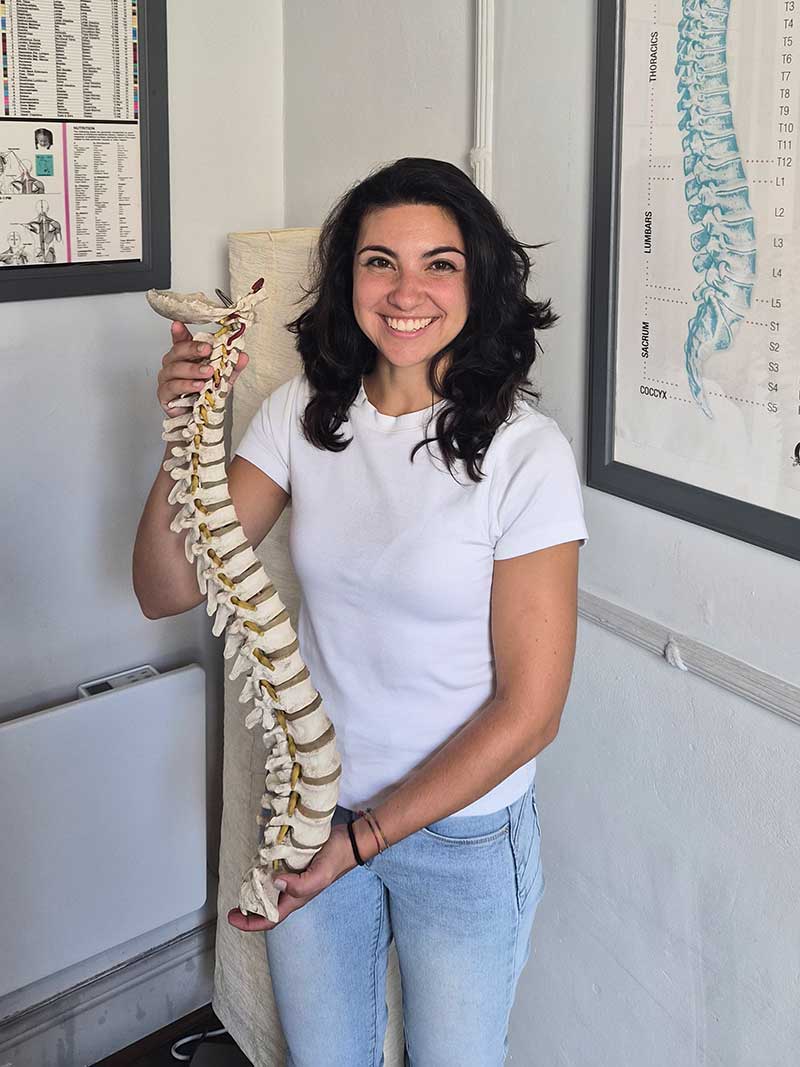
LAURA CASSOLA
Chiropractor
@Chiropractic First Dublin
View Laura's Full Profile here
MARINA AURICCHIO
Chiropractor
@Chiropractic First Dublin
Marina takes a gentle, patient-focused approach to care. She uses a range of techniques, including low-force and manual chiropractic adjustments, pelvic blocking, soft tissue therapy and muscle release techniques. She is also certified to treat paediatric patients and patients during pregnancy.
View Marina’s Profile here

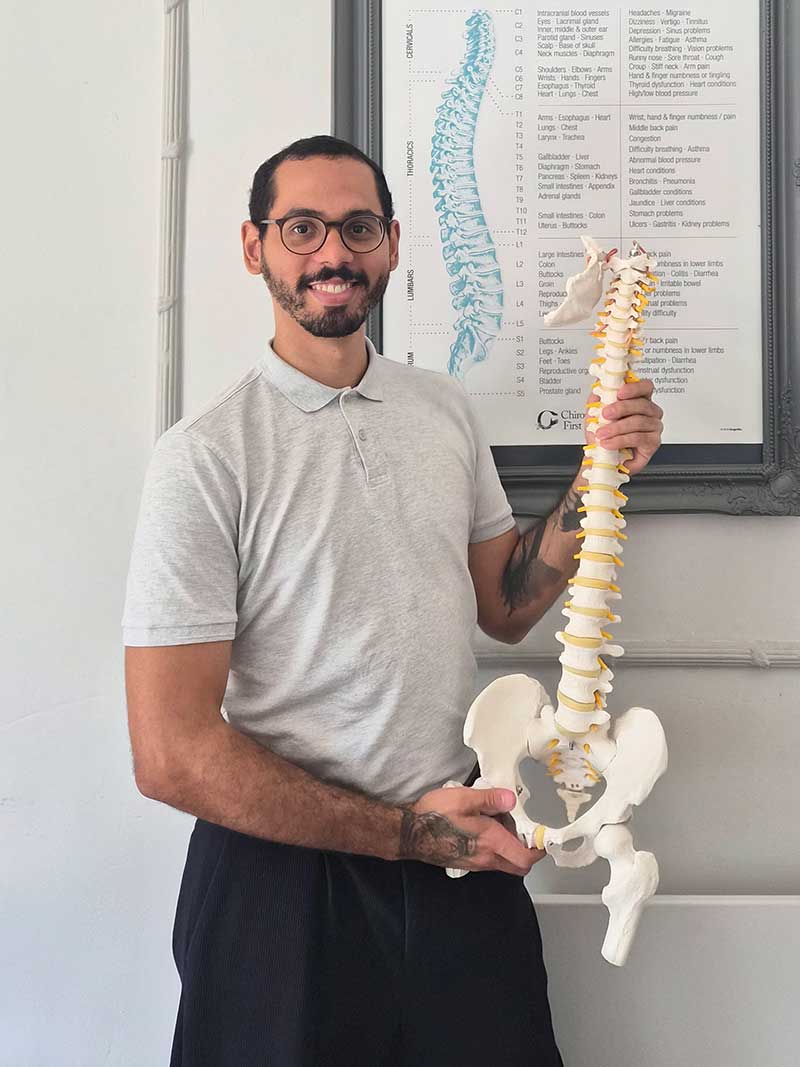
JOÃO VITOR DO AMARAL
Chiropractor
@Chiropractic First Dublin
João combines chiropractic care with muscle release techniques and works with methods including SOT, Activator Methods and Kinesio Taping. His approach can also include stretches and exercises alongside chiropractic care.
View João’s Full Profile here
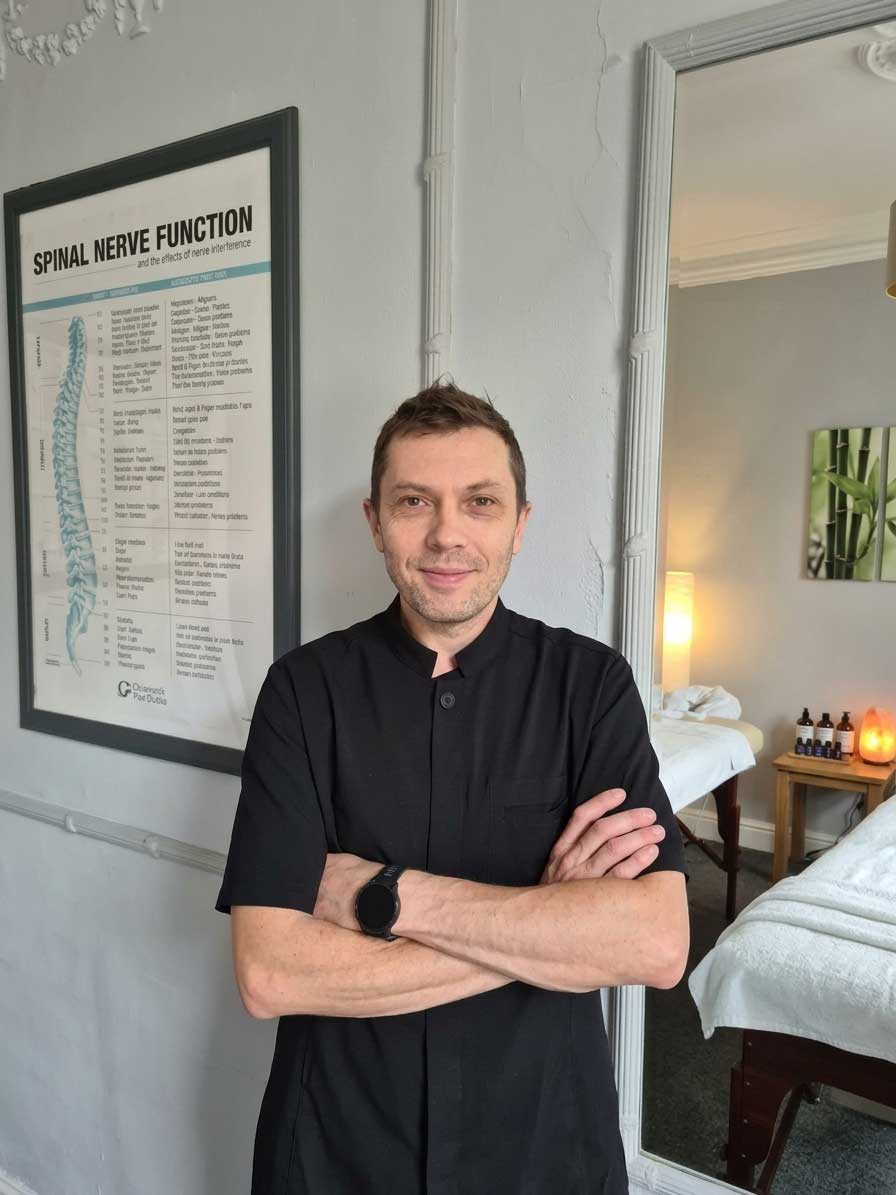
SLAVA
Massage Therapist
@Chiropractic First Dublin
Slava’s approach focuses on movement and well-being. He places importance on listening to patients and helping them support their well-being through massage therapy and movement-focused care.
View Slava’s Profile here
Common Myths About Frozen Shoulder Chiropractic Care
Understanding the truth behind common myths can help you make informed decisions.
One misconception is that chiropractors only treat back adjustments or neck problems. In reality, modern frozen shoulder chiropractic care is part of a wider approach that supports the entire musculoskeletal system, including shoulders, hips, knees, and more.
Another myth is that chiropractic treatment for frozen shoulder is painful or risky. Experienced chiropractors use gentle, controlled techniques personalised to your limited mobility. Treatment should never be forceful or cause severe pain.
Some people think frozen shoulder only affects older adults. While it’s more common after age 40, younger adults, especially those with risk factors like diabetes or past shoulder injuries, can also develop the condition. Younger patients with previous shoulder strain, sports-related irritation, or restricted joint movement may also need guided care to reduce stiffness and support better shoulder mobility.
Others believe rest is the only option. While short-term rest may help during flare-ups, guided movement is important for recovery. Chiropractors help patients identify beneficial movements while avoiding harmful ones.
Finally, there’s the belief that expensive scans are always necessary. While imaging can be helpful in some cases, most frozen shoulder diagnoses are made through physical examination and patient history. Delaying care for unnecessary tests only slows recovery.
RESTORING MOVEMENT AND RELIEF
How Frozen Shoulder Chiropractic Care Helps Recovery
Chiropractic care offers a way forward by focusing on restoring natural movement in the joint, easing the stiffness, and addressing the underlying causes of pain rather than just hiding the symptoms.
Treatment often begins with gentle joint mobilisation, a hands-on technique that encourages the shoulder to move more freely without causing additional strain. To support this, chiropractors may also use soft tissue therapies such as myofascial release, trigger point therapy, or deep tissue massage. These approaches relax tight muscles, calm irritation around the joint, and boost circulation, creating the right conditions for healing to take place. Many patients notice not just pain relief, but a sense of lightness and reduced tension in the shoulder after these sessions.
Because the shoulder doesn’t work in isolation, treatment also takes a whole-body perspective. This may include methods from a full-body adjustment chiropractor, especially when posture, shoulder blade movement, neck stiffness, or upper back restriction may be adding strain during recovery. This approach avoids the need for invasive surgery or long-term reliance on medication, instead supporting your body’s natural healing abilities.
Rehabilitation exercises are an important part of recovery. These guided movements are designed to gently stretch and strengthen the shoulder, building on the progress made during in-clinic treatments. As your mobility improves, the exercises adapt with you, ensuring steady progress without placing unnecessary strain on the joint.
Every patient’s recovery timeline is different, but many notice improvements in movement and comfort after just a few sessions. With consistent care, frozen shoulder chiropractic treatment can transform daily life, helping you regain confidence, restore mobility, and reduce the stress and frustration that come with living in pain.
Self-Care Tips for Frozen Shoulder
Tips for Managing Frozen Shoulder
Simple adjustments to your routine can reduce pain, support mobility, and prevent setbacks.
Applying heat before gentle stretching often helps relax tight muscles and prepares the shoulder to move more freely. Cold packs, on the other hand, can be used after activity to calm irritation and reduce discomfort. Used together at the right times, heat and cold become effective tools for relieving symptoms.
Gentle stretching, carried out consistently and with the proper technique, is another key part of recovery. Always follow the guidance of your chiropractor, who will show you safe, effective movements that improve flexibility without overloading the joint. Done correctly, these stretches gradually restore mobility while protecting the shoulder from further irritation.
Posture also plays a larger role than many realise, which is why guidance from a chiropractor for posture can be valuable during frozen shoulder recovery. By keeping your shoulders relaxed and aligned during daily tasks, you’ll reduce unnecessary tension. Your chiropractor can provide posture tips that fit your lifestyle, whether you spend long hours at a desk or are on your feet throughout the day.
How you sleep is also important. Many people find relief lying on their good side with a pillow tucked under the affected arm for support. Avoid lying on your stomach, as this often worsens strain on the shoulder. In some cases, sleeping in a reclined position, even in a comfortable chair, can make rest easier during painful stages.
Stress is another factor that shouldn’t be ignored. Ongoing discomfort and limited mobility can create frustration and even slow your recovery. Techniques like deep breathing, mindfulness, or gentle yoga (with modified poses for the shoulder) can help calm both the body and mind. Stress and tension can also increase muscle guarding around the neck and shoulders, which may make frozen shoulder symptoms feel more restrictive.
Finally, keep your body active in ways that don’t worsen the shoulder. Walking, using a stationary bike, or water-based activities are all excellent ways to stay fit while allowing your shoulder to heal. Staying active also helps reduce compensation through the neck, upper back, and opposite shoulder, which can happen when one shoulder becomes painful or restricted.
FREQUENTLY ASKED QUESTIONS
Can frozen shoulder chiropractic care help improve shoulder movement?
Frozen shoulder chiropractic care may help support better shoulder movement by addressing joint restriction, muscle tension, posture, and movement patterns around the shoulder, neck, and upper back.
Is frozen shoulder chiropractic care painful?
Care should not be forceful or aggressively painful. At Chiropractic First Dublin, treatment is adapted to your mobility level and symptoms, especially during painful or restricted stages.
How long does frozen shoulder recovery take?
Recovery time varies depending on the stage of frozen shoulder, symptom severity, general health, and how consistently you follow your care plan. Some patients notice gradual improvement over several weeks, while others need longer support.
Can a chiropractor help with frozen shoulder stiffness?
A chiropractor may help assess shoulder stiffness, restricted movement, and related neck or upper back tension. Treatment may include gentle mobilisation, soft tissue work, posture advice, and guided movement support.
When should I seek help for frozen shoulder?
You should seek help if shoulder pain, stiffness, or limited movement is affecting sleep, work, dressing, reaching, or daily activities. Early assessment can help guide suitable treatment and avoid unnecessary strain.
Book Frozen Shoulder Chiropractic Care in Dublin
If shoulder stiffness, pain, or restricted movement is affecting your daily routine, Chiropractic First Dublin can assess your symptoms and recommend suitable next steps. Our team provides careful, personalised care to support shoulder mobility, reduce unnecessary strain, and help you move with greater confidence.
Book a consultation today to discuss frozen shoulder chiropractic care in Dublin.
SEND A MESSAGE
Do you have a question about our services? Fill in this form and we’ll get back to you as fast as possible.
Alternatively, use our online chat or whatsapp.