
Taking care of your back since 1998
TMJ Chiropractor Dublin
TMJ-related pain can affect the jaw, face, head, neck, and shoulders. Symptoms may include jaw clicking, stiffness, discomfort when chewing, headaches, ear pressure, or tension around the upper neck. These symptoms can make everyday activities such as eating, speaking, sleeping, and concentrating more difficult.
At Chiropractic First Dublin, our team assesses how the jaw, neck, posture, and wider musculoskeletal system may be contributing to TMJ-related symptoms. If you are looking for a TMJ Chiropractor in Dublin, we provide careful assessment, clear guidance, and treatment options based on your individual needs.
Understanding TMJ Dysfunction and Jaw Pain
The temporomandibular joint, often shortened to TMJ, connects the jawbone to the skull and plays an important role in chewing, speaking, yawning, and everyday jaw movement. When this joint or the surrounding muscles are irritated, restricted, or overloaded, it can lead to symptoms that affect more than the jaw alone.
TMJ-related symptoms may include jaw clicking, popping, stiffness, pain when chewing, difficulty opening the mouth fully, facial discomfort, headaches, ear pressure, neck stiffness, or tension around the shoulders. These symptoms can develop gradually or appear after stress, clenching, grinding, posture strain, or injury.
A TMJ Chiropractor can assess how the jaw, upper neck, posture, and surrounding muscles are working together. This helps identify whether chiropractic care, soft tissue work, posture advice, or another treatment approach may be suitable.
Common Causes of TMJ-Related Pain
TMJ-related pain can have more than one cause. For some patients, symptoms are linked to jaw clenching, teeth grinding, stress, posture habits, or tension in the muscles around the jaw and neck. For others, the issue may be connected to an injury, long-term movement restriction, or irritation around the upper cervical spine.
The neck and jaw are closely connected. Restricted movement or tension in the upper neck can affect how the jaw functions, which is why some patients with TMJ symptoms also experience headaches, neck stiffness, or shoulder tension. In these cases, related care such as Upper Cervical Chiropractic or Neck Adjustment may be relevant after assessment.
Posture can also play a role. Long hours at a desk, looking down at a phone, or working with the head forward can place additional strain on the jaw, neck, and upper back. Patients with posture-related symptoms may also benefit from our Chiropractor for Posture service.
CHIROPRACTIC FIRST DUBLIN REVIEWS
We also have reviews on other platforms such as Whatclinic, Trustpilot, Yelp and Facebook!
If you want to leave us a Google Review, click on this link:
OUR TEAM
Our team brings together chiropractors and massage therapy professionals with different backgrounds, techniques and areas of experience. We take an individual approach to care, with each practitioner bringing their own skills and perspective to support the needs of our patients.
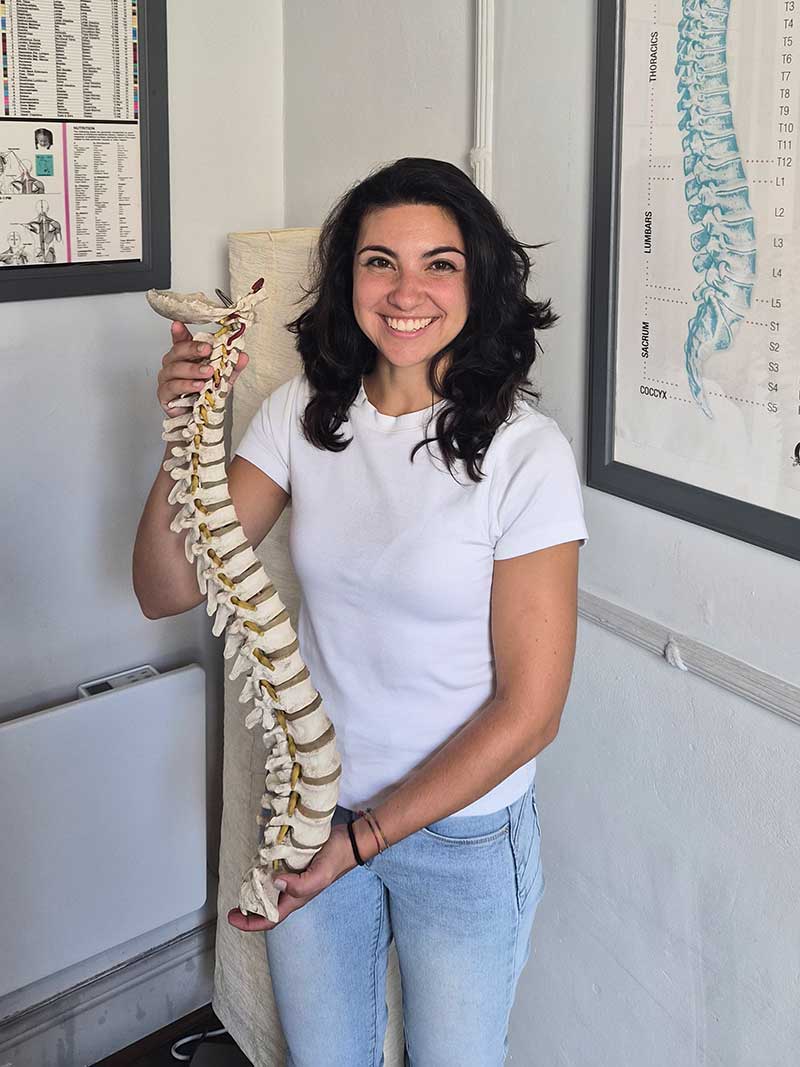
LAURA CASSOLA
Chiropractor
@Chiropractic First Dublin
View Laura's Full Profile here
MARINA AURICCHIO
Chiropractor
@Chiropractic First Dublin
Marina takes a gentle, patient-focused approach to care. She uses a range of techniques, including low-force and manual chiropractic adjustments, pelvic blocking, soft tissue therapy and muscle release techniques. She is also certified to treat paediatric patients and patients during pregnancy.
View Marina’s Profile here

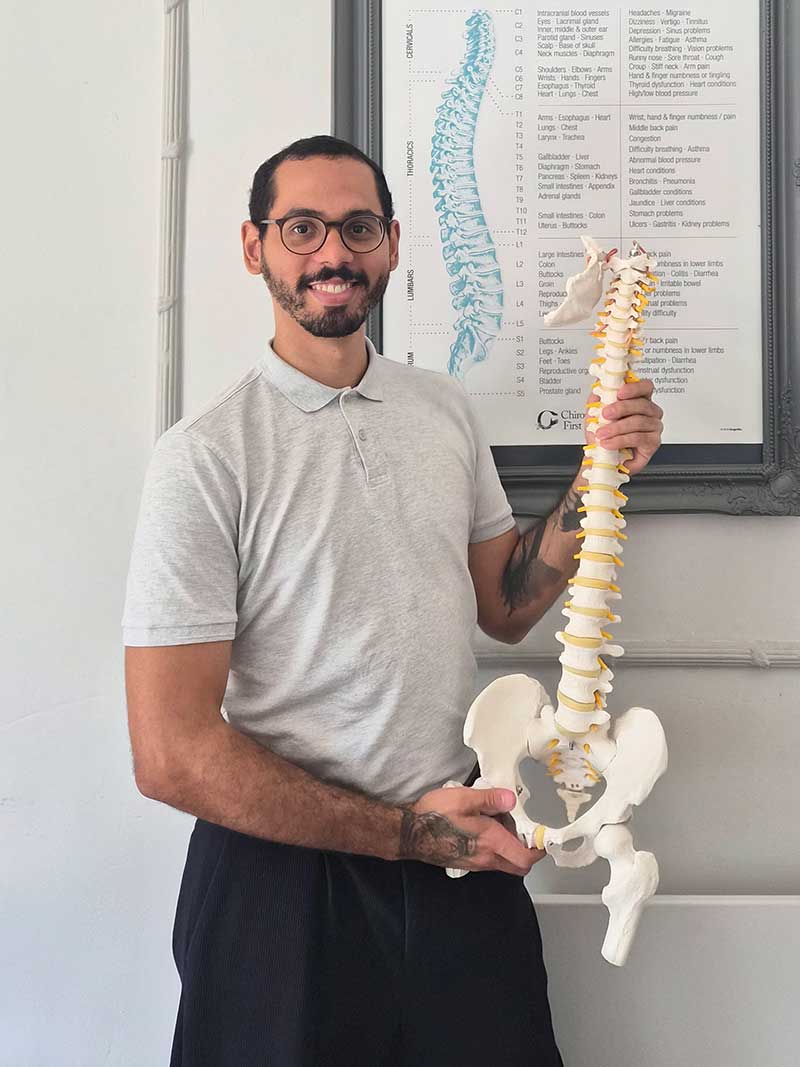
JOÃO VITOR DO AMARAL
Chiropractor
@Chiropractic First Dublin
João combines chiropractic care with muscle release techniques and works with methods including SOT, Activator Methods and Kinesio Taping. His approach can also include stretches and exercises alongside chiropractic care.
View João’s Full Profile here
SLAVA
Massage Therapist
@Chiropractic First Dublin
Slava’s approach focuses on movement and well-being. He places importance on listening to patients and helping them support their well-being through massage therapy and movement-focused care.
View Slava’s Profile here

How a TMJ Chiropractor May Help
Chiropractic care for TMJ-related symptoms starts with assessment. The aim is to understand how the jaw, neck, shoulders, posture, and surrounding muscles may be contributing to discomfort. This is important because jaw symptoms are often influenced by more than the joint itself.
Where appropriate, care may include gentle chiropractic adjustments, mobilisation, soft tissue work, posture advice, and practical guidance for reducing unnecessary strain on the jaw and neck. The treatment approach depends on the patient’s symptoms, assessment findings, and comfort level.
At Chiropractic First Dublin, patients are given clear information about what may be contributing to their symptoms and what type of care may be suitable. Some patients may benefit from focused TMJ care, while others may need broader support through Full Body Adjustment Chiropractor treatment.
TMJ Treatment Dublin: Assessment and Care Options
TMJ treatment in Dublin should begin with a careful assessment of the jaw, cervical spine, posture, and surrounding soft tissues. This helps identify what may be contributing to jaw discomfort, clicking, stiffness, headaches, or neck tension. At Chiropractic First Dublin, the first step is to assess the jaw, cervical spine, posture, and surrounding soft tissues before recommending a treatment plan.
Care may include gentle jaw and neck mobilisation, chiropractic adjustments where appropriate, soft tissue work, posture correction, and practical advice for habits such as clenching, grinding, desk posture, or sleeping position. The aim is to reduce unnecessary strain and support better jaw and neck function.
Because muscle tension can contribute to TMJ-related discomfort, some patients may also benefit from soft tissue support or Massage Therapy as part of a broader care plan.
NATURAL AND HOLISTIC
TMJ Massage Dublin and Soft Tissue Support
Soft tissue therapy may be helpful when TMJ-related discomfort is linked with tightness around the jaw, temples, neck, shoulders, or upper back. Soft tissue tension can sometimes contribute to discomfort, especially when clenching, grinding, stress, or poor posture are involved.
Massage therapy may help support muscle relaxation and reduce tension in the surrounding areas. However, TMJ-related symptoms should be assessed properly because the issue may involve more than muscle tightness alone. Jaw movement, neck mobility, posture, and daily habits can all play a role.
For this reason, Chiropractic First Dublin takes a broader view of TMJ-related symptoms. Depending on the assessment, care may involve chiropractic treatment, soft tissue work, movement advice, posture guidance, or a combination of approaches.
When to See a TMJ Chiropractor
You may consider booking an appointment with a TMJ Chiropractor if you are experiencing ongoing jaw discomfort, clicking, stiffness, facial tension, headaches, ear pressure, neck pain, or difficulty opening your mouth fully. These symptoms may come and go, but if they affect eating, speaking, sleeping, or daily comfort, it is worth having them assessed.
A chiropractic assessment can help identify whether the jaw, upper neck, posture, or surrounding muscles may be contributing to the problem. It can also help determine whether chiropractic care is suitable or whether another healthcare route may be more appropriate.
TMJ-related jaw pain can be closely connected with the neck, posture, and wider musculoskeletal system. At Chiropractic First Dublin, assessment focuses on these connections so that care can be guided by the patient’s symptoms and individual needs. At Chiropractic First Dublin, we provide assessment-led care and explain the most suitable next steps based on each patient’s symptoms, goals, and assessment findings.
Chiropractic Care for TMJ
Potential Benefits of TMJ Chiropractic Care
The goal of TMJ chiropractic care is to provide practical, assessment-led support for jaw, neck, and posture-related symptoms. Treatment is not the same for every patient, because symptoms can be influenced by different causes.
Patients may benefit from:
- Improved awareness of jaw, neck, and posture-related strain
- Better understanding of what may be contributing to symptoms
- Support for restricted movement around the jaw and neck
- Practical advice for reducing clenching, grinding, or posture-related stress
- A treatment plan based on assessment findings and individual needs
The goal is to provide care that is practical, clearly explained, and suited to the patient’s individual needs, rather than relying on a one-size-fits-all approach.
What to Expect at Chiropractic First Dublin
Your appointment begins with a discussion about your symptoms, health history, daily habits, and treatment goals. This helps the chiropractor understand when the symptoms started, what makes them worse, and whether they are linked to chewing, stress, posture, injury, or neck movement.
The assessment may include checking jaw movement, neck mobility, posture, muscle tension, and areas of discomfort. The purpose is to understand how the jaw and surrounding structures are functioning together.
After the assessment, your chiropractor will discuss the findings and explain the most suitable options. If chiropractic care is appropriate, treatment may include gentle adjustments, mobilisation, soft tissue work, posture guidance, and practical advice to reduce strain between visits.
If you are ready to arrange an appointment can use the booking page to begin the process.
FREQUENTLY ASKED QUESTIONS
What does a TMJ Chiropractor do?
A TMJ Chiropractor assesses the jaw, neck, posture, and surrounding muscles to understand what may be contributing to TMJ-related symptoms. Treatment may include chiropractic adjustments, mobilisation, soft tissue work, posture advice, and practical recommendations based on the patient’s assessment.
Can chiropractic care help with TMJ symptoms?
Chiropractic care may help some patients with TMJ-related symptoms, especially where jaw discomfort is connected with neck tension, posture strain, restricted movement, or muscle tightness. Suitability depends on the patient’s symptoms, health history, and assessment findings.
What symptoms may be linked to TMJ dysfunction?
TMJ dysfunction may be linked to jaw clicking, popping, stiffness, pain while chewing, difficulty opening the mouth, facial tension, headaches, ear pressure, neck stiffness, and shoulder tension. These symptoms can vary from person to person.
Is TMJ treatment suitable for jaw clicking?
Jaw clicking can have different causes. Some people have clicking without pain, while others experience discomfort, stiffness, or restricted movement. A proper assessment can help determine whether chiropractic care or another treatment approach may be suitable.
Can massage help TMJ-related tension?
Massage or soft tissue therapy may help when muscle tightness contributes to jaw, neck, or shoulder tension. However, TMJ symptoms may also involve joint movement, posture, clenching, or neck function, so assessment is important before deciding on the best care approach.
Book an Appointment with Chiropractic First Dublin
If jaw pain, clicking, headaches, neck tension, or chewing discomfort are affecting your daily routine, Chiropractic First Dublin can help you take the next step. Our team provides assessment and care for TMJ-related symptoms from our Dublin practice.
Book an appointment today to speak with a TMJ Chiropractor and find out what type of care may be suitable for your needs.
SEND A MESSAGE
Do you have a question about our services? Fill in this form and we’ll get back to you as fast as possible.
Alternatively, use our online chat or whatsapp.