
Taking care of your back since 1998
OCCIPITAL NEURALGIA CHIROPRACTOR DUBLIN
Occipital neuralgia can cause sharp, shooting, or burning pain that may start around the base of the skull and travel into the scalp. It can also be linked with neck stiffness, sensitivity, headaches, or discomfort triggered by certain head and neck movements.
At Chiropractic First Dublin, we assess how the upper neck, posture, muscle tension, and spinal movement may be contributing to occipital neuralgia-related symptoms. Our approach is assessment-led, clearly explained, and based on each patient’s individual needs.
Understanding Occipital Neuralgia: More Than Just a Headache
Occipital neuralgia is a specific neurological condition that affects the occipital nerves, three pairs of nerves running from your upper neck through the scalp to the top of your head. When these nerves become irritated or inflamed, the pain is very different from ordinary headaches or even migraines.
The primary symptom is sharp, electric shock-like pain that begins at the base of the skull and spreads across the scalp. Unlike a tension headache’s dull ache or a migraine’s throbbing pain, occipital neuralgia feels like stabbing, burning jolts of electricity shooting across your head. Some patients even first mistake their pain for migraines, but unlike what a migraine chiropractor would typically address, occipital neuralgia pain has a distinct nerve-based cause.
Daily activities can become overwhelming. Brushing your hair, putting on a hat, or even resting your head on a pillow may trigger intense pain. Some patients avoid certain hairstyles, while others struggle to find a comfortable sleeping position.
The impact goes beyond physical pain. The unpredictable pain attacks trigger ongoing anxiety and leave you constantly on edge, wondering when the next attack will occur. Work becomes harder, social activities feel overwhelming, and relationships may be strained by chronic discomfort.
Sleep is often affected, too, as lying down can intensify the pain. Poor rest leads to fatigue, which in turn lowers your pain tolerance, creating a negative cycle of worsening symptoms. In some cases, posture habits or cervical strain may contribute to irritation around the upper neck and should be assessed as part of the wider picture.
CHIROPRACTIC FIRST DUBLIN REVIEWS
We also have reviews on other platforms such as Whatclinic, Trustpilot, Yelp and Facebook!
If you want to leave us a Google Review, click on this link:
OUR TEAM
Our team brings together chiropractors and massage therapy professionals with different backgrounds, techniques and areas of experience. We take an individual approach to care, with each practitioner bringing their own skills and perspective to support the needs of our patients.
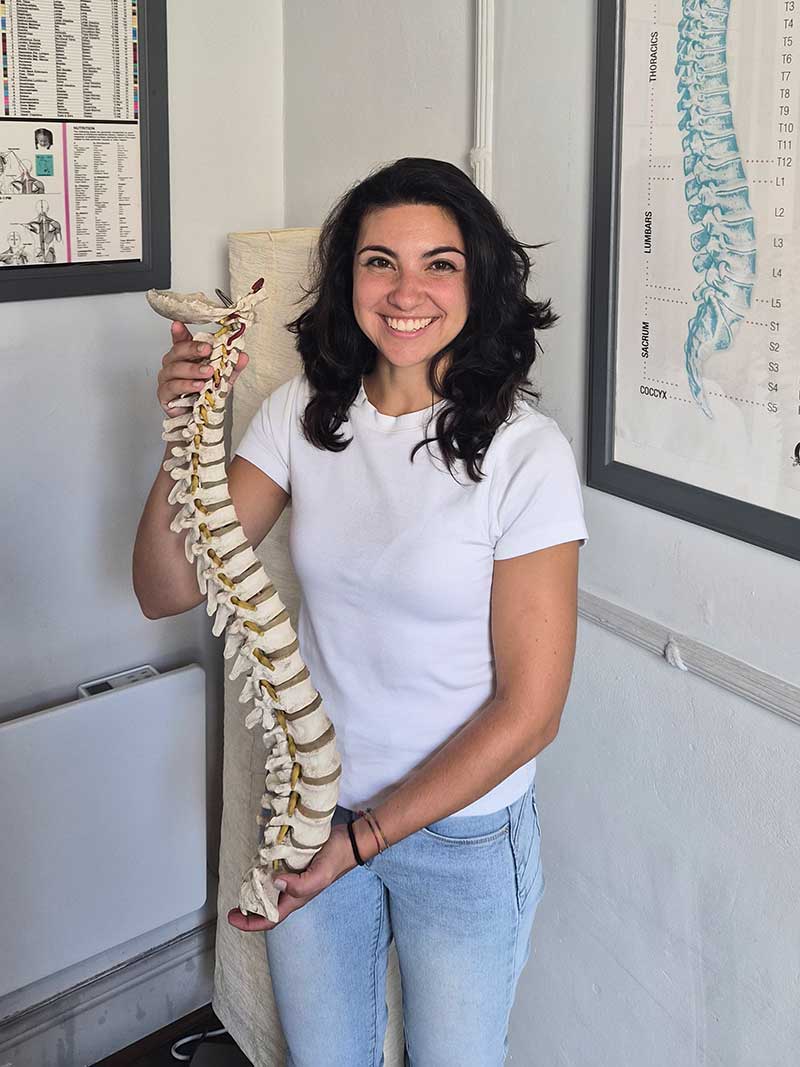
LAURA CASSOLA
Chiropractor
@Chiropractic First Dublin
View Laura's Full Profile here
MARINA AURICCHIO
Chiropractor
@Chiropractic First Dublin
Marina takes a gentle, patient-focused approach to care. She uses a range of techniques, including low-force and manual chiropractic adjustments, pelvic blocking, soft tissue therapy and muscle release techniques. She is also certified to treat paediatric patients and patients during pregnancy.
View Marina’s Profile here

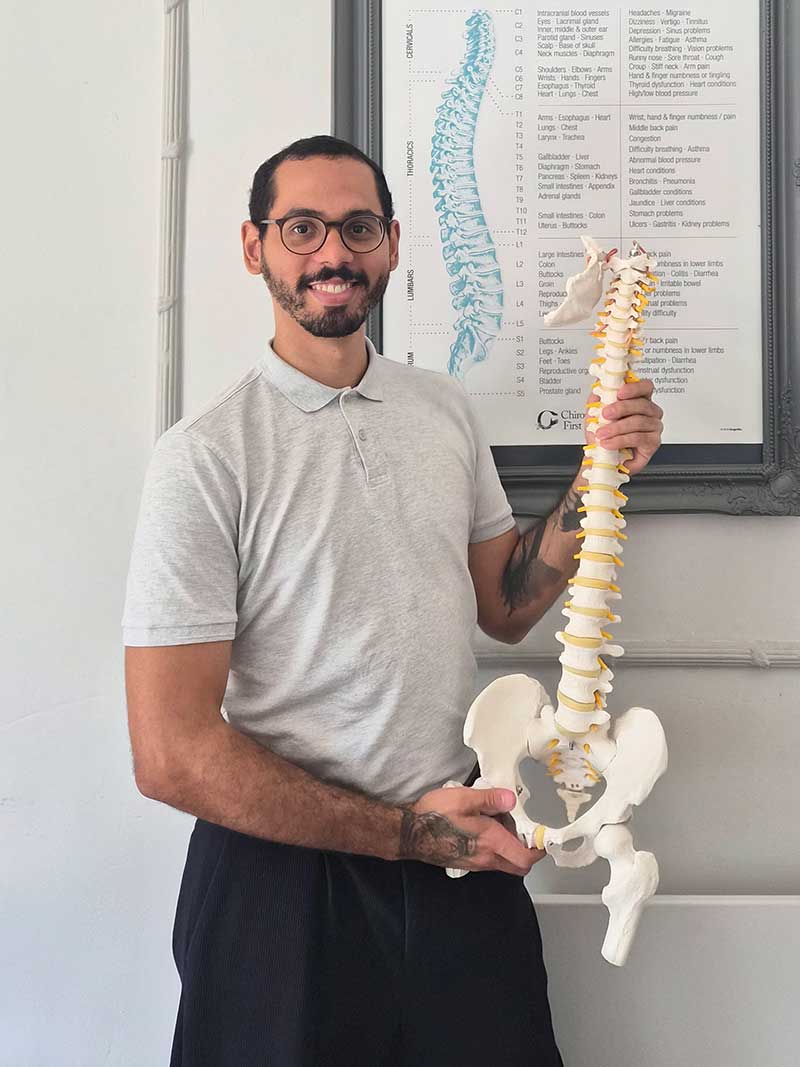
JOÃO VITOR DO AMARAL
Chiropractor
@Chiropractic First Dublin
João combines chiropractic care with muscle release techniques and works with methods including SOT, Activator Methods and Kinesio Taping. His approach can also include stretches and exercises alongside chiropractic care.
View João’s Full Profile here
SLAVA
Massage Therapist
@Chiropractic First Dublin
Slava’s approach focuses on movement and well-being. He places importance on listening to patients and helping them support their well-being through massage therapy and movement-focused care.
View Slava’s Profile here

What Triggers Occipital Neuralgia?
For most people, occipital neuralgia doesn’t appear out of nowhere. Contributing factors are often at play, and identifying them is important for building an effective treatment plan.
- Neck trauma – Whiplash from car accidents, sports injuries, or falls can damage delicate structures in the upper cervical spine, irritating the occipital nerves — concerns often treated by auto accident chiropractors and sports chiropractors. Sometimes, even minor incidents can trigger pain weeks or months later.
- Modern lifestyle – Prolonged screen use, poor ergonomics, and text neck posture put ongoing stress on the cervical spine.
- Muscle tension – Tight suboccipital muscles at the base of the skull can compress the occipital nerves. This tension often comes from stress, poor posture, or repetitive movements.
- Spinal misalignments – Dysfunction in the upper cervical vertebrae (C1 and C2) can disrupt normal nerve function, making occipital neuralgia more likely.
- Underlying conditions – Arthritis, previous surgeries, or inflammation in the neck can create the perfect environment for nerve irritation.
- Lifestyle factors – Chronic stress, poor sleep positions, jaw clenching, or teeth grinding can all contribute to ongoing neck strain.
Why Traditional Pain Management Often Falls Short
If you’ve lived with occipital neuralgia for a while, you’ve probably realised the limits of standard treatments.
Painkillers may take the edge off temporarily, but they don’t address cervical misalignments, muscle tension, or posture problems, the real reasons nerves are irritated. When the medication wears off, the pain usually returns. Worse, long-term use can bring side effects like digestive problems, liver damage, or dependency.
Injections such as nerve blocks or steroids can offer weeks of relief, but they also don’t fix the mechanical dysfunction. Once the effects wear off, the pain often comes back.
Perhaps most frustrating of all, these approaches give the illusion of progress. You feel better temporarily, only for symptoms to return with the same or greater intensity.
Another limitation of conventional treatments is that they often overlook how interconnected your musculoskeletal system is. Problems in your shoulders, mid-back, or even pelvis can affect how your neck functions. By focusing only on the pain site, traditional care can miss the bigger picture.
Stress Relief and Spinal Health
Specialised Chiropractic Techniques for Occipital Neuralgia
Gentle Cervical Adjustments
Upper cervical chiropractic adjustments target the delicate joints where your skull meets your spine. Even minor dysfunction here can irritate the occipital nerves. Modern chiropractic adjustments are precise, gentle, and effective, often surprising patients with how comfortable they feel. Many notice immediate relief, with further improvement developing over several sessions.
Postural Correction and Ergonomic Guidance
Poor posture, such as a forward head tilt or rounded shoulders, puts constant stress on the occipital nerves. Chiropractors correct these imbalances through adjustments, exercises, and ergonomic advice, like improving desk setup or adjusting sleeping positions, to create lasting changes.
In some cases, nerve-related symptoms can overlap with other neck or spinal concerns, which is why careful assessment is important before recommending treatment.
Soft Tissue Therapy and Muscle Release
Tight muscles at the base of your skull and in your upper back can directly compress nerves. Soft tissue work, trigger point therapy, or myofascial release may be used where muscle tension around the upper neck and shoulders is contributing to discomfort.
Advanced Therapeutic Modalities
Complementary therapies such as ultrasound or low-level laser therapy may also be used to reduce inflammation, support healing, and enhance results. Specific rehab exercises strengthen the neck and improve posture for long-term stability.
Some patients may also need broader musculoskeletal assessment if posture, shoulder tension, or wider movement patterns are contributing to symptoms.
Benefits of Chiropractic Care for Occipital Neuralgia
Chiropractic treatment offers more than temporary relief. It provides a holistic approach that improves both symptoms and the root dysfunction behind them.
Patients may benefit from:
-
- Better understanding of what may be contributing to symptoms
- Support for neck mobility and upper cervical movement
- Reduced strain around the neck, shoulders, and surrounding muscles
- Practical advice for posture, desk setup, and daily movement habits
- A care plan based on symptoms, assessment findings, and individual needs
Some patients may benefit from a broader full-body adjustment where neck symptoms are connected with posture, spinal mobility, or wider movement patterns.
FREQUENTLY ASKED QUESTIONS
Can a chiropractor help with occipital neuralgia?
Chiropractic care may be suitable for some patients with occipital neuralgia-related symptoms, especially where neck stiffness, posture, upper cervical movement, or muscle tension may be contributing factors. Suitability depends on the patient’s symptoms, health history, and assessment findings.
What does an occipital neuralgia chiropractor assess?
An occipital neuralgia chiropractor may assess neck mobility, posture, upper cervical movement, muscle tension, headache patterns, and nerve-related symptoms. This helps determine whether chiropractic care may be appropriate or whether another healthcare route is needed.
Is occipital neuralgia the same as a migraine?
No. Occipital neuralgia and migraines can both cause head pain, but they are different conditions. Occipital neuralgia is often associated with irritation of the occipital nerves, which can cause sharp, shooting, or burning pain from the upper neck into the scalp.
What is chiropractic treatment for occipital neuralgia?
Chiropractic treatment for occipital neuralgia may include assessment of the upper cervical spine, gentle adjustments where appropriate, mobilisation, soft tissue work, posture advice, and practical guidance to reduce neck strain.
When should I seek medical advice for occipital neuralgia symptoms?
If head or neck pain is sudden, severe, worsening, or linked with symptoms such as vision changes, weakness, speech difficulty, fainting, fever, or trauma, medical assessment should be sought promptly.
Book an Appointment with Chiropractic First Dublin
If sharp head pain, upper neck discomfort, scalp sensitivity, or occipital neuralgia-related symptoms are affecting your daily routine, Chiropractic First Dublin can help you take the next step. Our team provides assessment-led chiropractic care from our Dublin practice, with treatment guided by your symptoms, health history, and individual needs.
Book an appointment today to find out whether chiropractic care may be suitable for your occipital neuralgia-related symptoms.
SEND A MESSAGE
Do you have a question about our services? Fill in this form and we’ll get back to you as fast as possible.
Alternatively, use our online chat or whatsapp.