
Taking care of your back since 1998
CHIROPRACTOR FOR A PINCHED NERVE, DUBLIN
Sharp pain, tingling, numbness, or radiating discomfort may be signs of nerve irritation or compression. At Chiropractic First Dublin, we provide assessment-led chiropractic care for people looking for pinched nerve treatment in Dublin.
Our chiropractors examine your spine, posture, movement, and symptoms to understand what may be contributing to the problem, then recommend a suitable care plan to help reduce discomfort and improve mobility.
What is a Pinched Nerve?
A pinched nerve occurs when surrounding tissues, such as muscles, ligaments, cartilage, or even spinal discs, press too firmly against the nerve. This extra pressure disrupts the nerve’s ability to work properly, which can lead to pain, tingling, numbness, or a sensation of weakness. Because nerves run throughout the entire body, the exact symptoms you feel will depend on where the compression takes place. For example, a pinched nerve in the neck might cause discomfort that radiates down the arms, while one in the lower back could lead to problems in the legs or feet.
The most common areas affected are the neck (cervical spine), mid-back (thoracic spine), and lower back (lumbar spine). Sciatica, for example, is a type of pinched nerve that occurs when the sciatic nerve in the lower back becomes irritated or compressed, causing pain that radiates down the leg.
Typical symptoms include:
-
- Sharp, burning, or shooting pain.
- Numbness or tingling in the arms, hands, legs, or feet.
- Muscle weakness in the affected area.
- A “pins and needles” sensation.
- Difficulty with mobility or coordination.
If symptoms continue or worsen, a pinched nerve may affect daily movement, work, sleep, and comfort. A proper assessment can help identify the likely source of irritation and guide the next step in care.
CHIROPRACTIC FIRST DUBLIN REVIEWS
We also have reviews on other platforms such as Whatclinic, Trustpilot, Yelp and Facebook!
If you want to leave us a Google Review, click on this link:
OUR TEAM
Our team brings together chiropractors and massage therapy professionals with different backgrounds, techniques and areas of experience. We take an individual approach to care, with each practitioner bringing their own skills and perspective to support the needs of our patients.
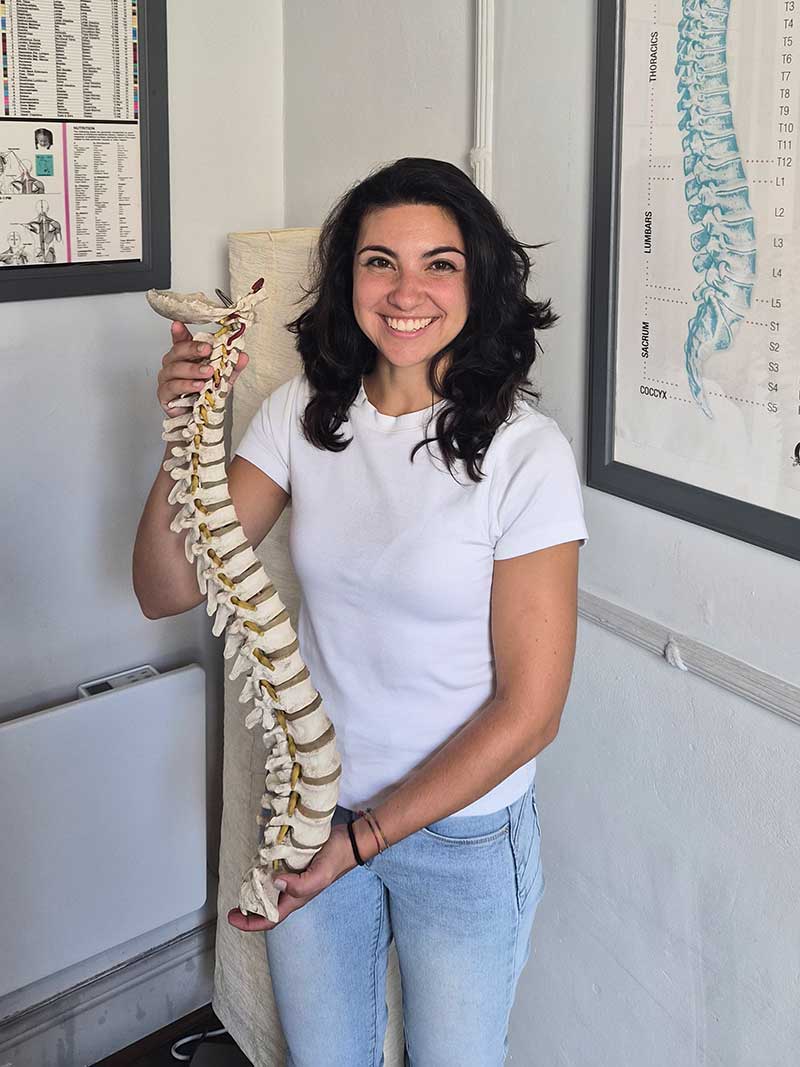
LAURA CASSOLA
Chiropractor
@Chiropractic First Dublin
View Laura's Full Profile here
MARINA AURICCHIO
Chiropractor
@Chiropractic First Dublin
Marina takes a gentle, patient-focused approach to care. She uses a range of techniques, including low-force and manual chiropractic adjustments, pelvic blocking, soft tissue therapy and muscle release techniques. She is also certified to treat paediatric patients and patients during pregnancy.
View Marina’s Profile here

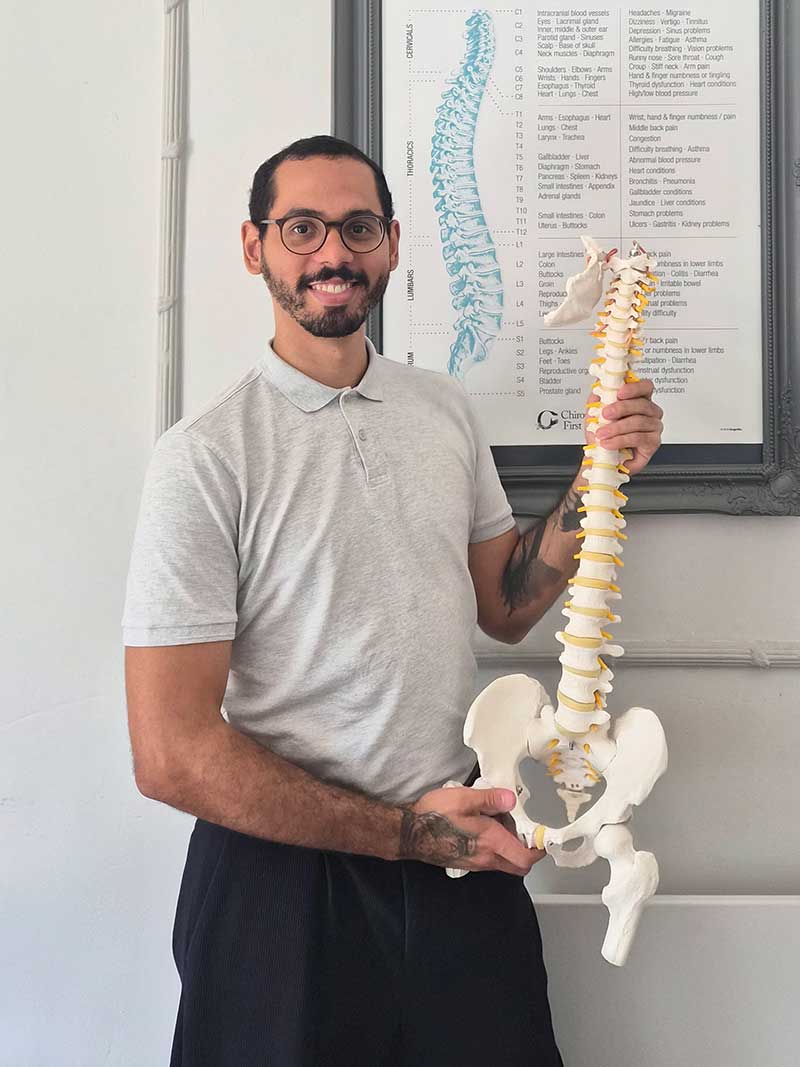
JOÃO VITOR DO AMARAL
Chiropractor
@Chiropractic First Dublin
João combines chiropractic care with muscle release techniques and works with methods including SOT, Activator Methods and Kinesio Taping. His approach can also include stretches and exercises alongside chiropractic care.
View João’s Full Profile here
SLAVA
Massage Therapist
@Chiropractic First Dublin
Slava’s approach focuses on movement and well-being. He places importance on listening to patients and helping them support their well-being through massage therapy and movement-focused care.
View Slava’s Profile here

What Causes a Pinched Nerve and When Should You See a Chiropractor?
Pinched nerves can develop for many reasons, often linked to lifestyle, posture, or physical strain. Some of the most common causes include:
-
- Herniated or bulging discs – If the soft discs that cushion your spine shift out of place or become irritated, they may place pressure on nearby nerves. A chiropractor for slipped disc can assess whether disc-related irritation may be contributing to your symptoms and recommend suitable care.
- Poor posture – Slouching at a desk, looking down at a phone, or sitting for prolonged periods can strain the spine and compress nerves.
- Repetitive movements – Work tasks, sports, or hobbies that involve repeated motions can irritate surrounding tissues.
- Arthritis – Inflammation or bone spurs from arthritis can narrow the spaces in the spine, trapping nerves.
- Injuries – Unexpected impacts from accidents, falls, or sporting activities can irritate surrounding tissues and affect spinal movement. In these cases, assessment from an auto accident chiropractor after a collision or a sports chiropractor for athletic strain may help identify whether nerve irritation is part of the problem.
Understanding the cause is important for creating the right treatment plan, which is why chiropractic assessments focus on the root issue, not just the symptoms.
HOLISTIC AND DRUG-FREE
How a Chiropractor for a Pinched Nerve May Help
A chiropractor for a pinched nerve uses a holistic, hands-on approach to relieve compression and restore proper nerve function. Unlike painkillers, which only hide discomfort, chiropractic care aims to correct the structural issues that lead to nerve irritation.
Spinal Adjustments
Gentle spine chiropractic adjustments may help improve restricted joint movement and reduce irritation around the affected area. The aim is to support better spinal mechanics, ease muscle tension, and improve how comfortably you move.
Targeted Therapies
Depending on the severity of your condition, chiropractors may incorporate therapies such as soft tissue work, stretching, or mobilisations. These techniques help reduce inflammation, release tension, and improve flexibility.
Lifestyle and Posture Guidance
Because daily habits can contribute to nerve irritation, a chiropractor for posture can provide practical guidance on workstation setup, movement habits, and stretches that may help reduce repeated strain.
Non-Invasive, Drug-Free Approach
A key benefit of chiropractic treatment is that it offers a non-surgical care option focused on movement, joint function, and reducing mechanical strain. This may suit patients who want an assessment-led approach before considering more invasive options.
Chiropractic Care for Pinched Nerves
Benefits of Seeing a Chiropractor for a Pinched Nerve in Dublin
Choosing chiropractic care for a pinched nerve offers a wide range of health benefits beyond pain relief:
-
- Less pain and discomfort – By addressing restricted movement and mechanical strain, a chiropractic adjustment may help reduce irritation around the affected area and support more comfortable movement.
- Improved mobility – Many people notice increased flexibility and a wider range of motion following chiropractic sessions.
- Better posture – Spinal chiropractic alignment may support healthier body mechanics, reduce repeated strain, and improve how the spine handles daily movement.
- Enhanced nervous system function – Correct spinal alignment promotes smoother communication within the nervous system, contributing to overall wellness.
- Long-term prevention – With personalised treatment and lifestyle adjustments, chiropractic care reduces the risk of recurring nerve problems.
Many patients report improvements not just in their nerve pain, but also in energy levels, sleep quality, and daily performance.
Self-Care Tips for Pinched Nerve Recovery
Chiropractic care is most effective when supported by healthy daily habits. If you’re receiving treatment for a pinched nerve, here are some tips to speed recovery and prevent setbacks:
-
- Take regular breaks – If you sit for long hours, Stand, move, or stretch at least once every half hour to an hour.
- Practice good ergonomics – Position your chair, desk, and screen so your body maintains a neutral, well-aligned posture.
- Strengthen your core – Developing your abdominal and back muscles provides extra support to stabilise the spine.
- Stay active – Gentle activities such as walking, swimming, or yoga help maintain joint mobility and reduce stiffness.
- Watch your sleeping position – Choose a supportive pillow and avoid sleeping positions that put unnecessary stress on your neck or lower back.
These changes, combined with regular chiropractic care, make it easier to maintain long-term nerve health.
FREQUENTLY ASKED QUESTIONS
Can a chiropractor for a pinched nerve help with tingling or numbness?
A chiropractor for a pinched nerve may help when tingling or numbness is linked to spinal restriction, posture, muscle tension, or mechanical irritation. Assessment is important to understand where the symptoms are coming from and whether chiropractic care is suitable.
What does a chiropractor for a pinched nerve check during assessment?
Your chiropractor will usually review your symptoms, posture, movement, spinal function, muscle tension, and any radiating pain. They may also ask about work habits, previous injuries, sleep position, and daily activities that could be contributing to the problem.
Is pinched nerve treatment in Dublin suitable for neck or lower back symptoms?
Pinched nerve treatment in Dublin may be suitable for symptoms affecting the neck, lower back, arms, hands, legs, or feet, depending on the cause. A proper assessment helps identify whether the issue may be coming from the cervical, thoracic, or lumbar spine.
Should I see a physio or chiropractor for a trapped nerve?
Both may be suitable depending on the cause of the trapped nerve. A chiropractor usually focuses on spinal movement, joint restriction, posture, and mechanical strain, while a physiotherapist may focus more on exercise rehabilitation and movement retraining. Assessment helps decide the best approach.
When should I book a chiropractor for a pinched nerve?
You should consider booking if pain, tingling, numbness, weakness, or radiating discomfort continues, worsens, or affects daily activities. If symptoms are severe, sudden, or linked with loss of strength or bladder or bowel changes, seek urgent medical advice.
Book Pinched Nerve Treatment in Dublin
If you are dealing with sharp pain, tingling, numbness, or radiating discomfort, Chiropractic First Dublin can assess your symptoms and help determine whether chiropractic care is suitable. Our team will review your movement, posture, spinal function, and daily habits before recommending a care plan based on your needs.
Book an appointment today for assessment-led pinched nerve treatment in Dublin.
SEND A MESSAGE
Do you have a question about our services? Fill in this form and we’ll get back to you as fast as possible.
Alternatively, use our online chat or whatsapp.